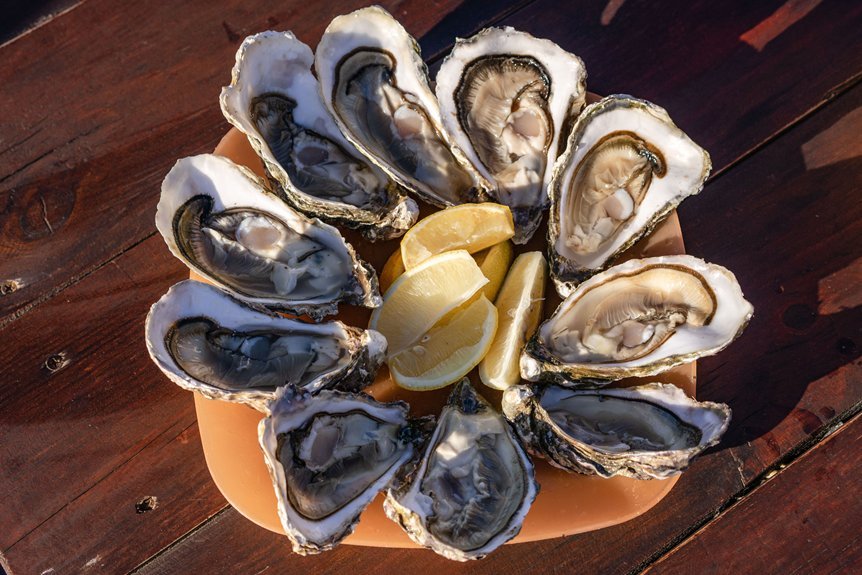
Οστραγκον, a surviving pottery shard used as a writing surface in ancient contexts, offers concrete archaeological insight into function and daily life. Its material properties illuminate craft, trade, and inscription practices, while linking oyster biology to broader cultural use. The discussion extends to soil health, upcycling potential, and practical handling. A precise account of these interconnections reveals how a small fragment shapes ecological and material narratives, leaving the question of broader implications open for subsequent inquiry.
What οστραγκον Is and Why It Matters
Ostracon refers to a surviving fragment of pottery or a shard used as a writing surface in ancient times. The term identifies a material artifact and its historical function.
This examination notes oyster anatomy relevance in material culture, while addressing the ecological role of oysters within estuarine ecosystems. Evidence supports symbolic and practical uses, shaping discourse on archaeological interpretation and environmental interconnectedness.
Soil and Gardening Perks You Can’T Ignore
Soil health and garden productivity hinge on fundamental physical, chemical, and biological properties that govern water retention, nutrient cycling, and root development.
The discourse emphasizes soil improvement through careful management of mineral recharge and nitrogen cycling, enhancing pore structure to improve aeration and water storage.
These factors collectively shape resilient plant ecosystems, guiding informed decisions without superfluous assumptions.
Upcycling, Crafts, and DIY Uses for Oyster Shells
Upcycling oyster shells offers practical, evidence-based pathways for reducing waste while creating durable, reusable materials. The discussion remains analytical and detached, focusing on material properties, sustainability implications, and scalable methods.
It surveys upcycling ideas and practical crafting projects, emphasizing repurposing over novelty. Beneficial outcomes include reduced landfill burden, creative resilience, and accessible demonstrations of circular economy principles for communities seeking freedom through resourcefulness.
Health, Safety, and Practical Tips for Collecting and Handling
Health, safety, and practical considerations are essential when collecting and handling ostracon materials to minimize exposure risks and preserve sample integrity; careful adherence to established protocols reduces contamination, injury, and allergic reactions while enabling reliable assessment of their physical and chemical properties.
Oyster shell safety hinges on collection guidelines, compost impact, and shell reuse ideas, supporting informed, responsible research and reuse decisions.
Frequently Asked Questions
Are Oyster Shells Edible After Processing for Crafts?
Oyster shell edibility after processing for crafts is generally not advised; while cleaned shells pose minimal direct ingestion risk, post processing safety hinges on avoiding contaminants and ensuring proper sterilization to prevent disease or irritation.
Can Oyster Shells Affect Soil pH Long-Term?
Oyster shell liming can raise soil pH over time; shell-based soil amendments slowly neutralize acidity, but effects depend on buffering capacity and application rate. The long-term influence is gradual, requiring monitoring and periodic reapplication for sustained pH balance.
How Long Do Crushed Shells Take to Break Down?
Crushed shells take about several months to years to noticeably degrade, depending on particle size, moisture, and microbial activity. This process involves shell degradation chemistry, with dissolution and remineralization shaping long-term soil calcium availability and structure.
Are There Wildlife Hazards From Leftover Shell Pieces?
Leftover shell pieces may pose minor wildlife hazards, particularly if traveled or ingested; however, shell safety practices and natural degradation reduce risk. The analysis indicates low but notable concerns, warranting cautious handling and proper disposal for wildlife-friendly outcomes.
Do Shells Deter Pests in Container Gardens?
Oyster shells as mulch show modest pest deterrence efficacy, though evidence is mixed; they may deter some shallow-feeding insects but do not reliably prevent broader garden pests in container setups. Overall, benefits are context-dependent, not universal.
Conclusion
The studious review of οστραγκον underscores a quiet, enduring value: a modest shard can illuminate past practices, ecological roles, and sustainable futures. While delicate, its lessons are practical—soil enhancement, upcycling inspiration, and healthful handling guidance—offering a prudent bridge between archaeology and daily life. In modest terms, the fragment invites careful use and thoughtful reuse, gently reminding readers that even small artifacts can yield meaningful, resilient benefits when approached with exacting care and respectful restraint.


 By
By